Legal and Digital Insights for Freight Forwarders
International Trade and Law: Practical Risk Guidance for Freight Forwarders
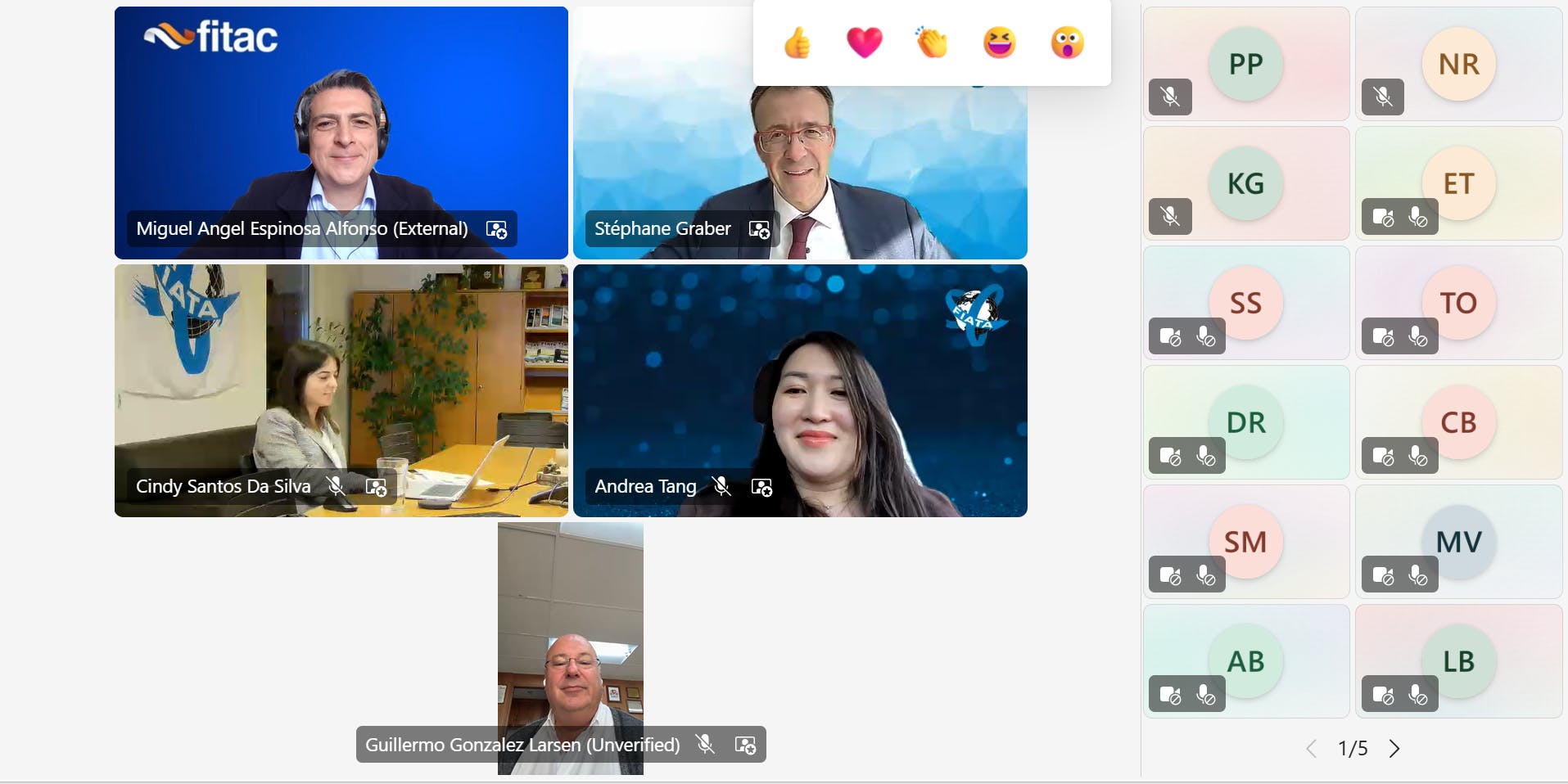
“The Negotiable FIATA Multimodal Transport Bill of Lading (FBL): Practical, Legal and Insurance Considerations” webinar co-hosted with FITAC.
FIATA recently delivered two successful webinars addressing the evolving legal and contractual landscape facing freight forwarders.
The Negotiable FIATA Multimodal Transport Bill of Lading: Practical, Legal and Insurance Considerations
On Thursday, 12 February, FIATA co-hosted “The Negotiable FIATA Multimodal Transport Bill of Lading (FBL): Practical, Legal and Insurance Considerations” together with Federación Colombiana de Agentes Logísticos en Comercio Internacional (FITAC). The session attracted over 200 participants and Dr Stéphane Graber, FIATA Director General and Ms Andrea Tang, FIATA Legal Services Director, offered practical insight into the issuance and use of the negotiable FBL, examining its legal nature, the allocation of liability, and related insurance considerations. The discussion centred on how forwarders can exercise due diligence when acting as contractual carrier and issuing FIATA documents in increasingly demanding trade environments.
Managing Risks in Maritime Contracting
On Tuesday, 17 February, FIATA hosted “Managing Risks in Maritime Contracting”, a focused 1 hour 15 minute webinar attended by 152 participants. The session was opened by Dr Stéphane Graber and moderated by Ms Barbara Hiebendahl, Chair of the FIATA Working Group Sea, with Mr Jens Roemer, FIATA Senior Vice-President, setting the scene. The discussion explored the growing complexity of maritime agreements and the heightened responsibilities carried by freight forwarders across the transport chain, addressing the role of the contractual carrier, common exposure points in ocean carrier agreements and practical guidance drawn from FIATA’s Best Practice Guide Best Practice Guide on Maritime Contracting.
Mr Manuel Alba Fernández, Associate Professor of Commercial Law, Carlos III University of Madrid, presented the Best Practice Guide on Maritime Contracting, outlining current industry challenges, the carrier’s advantages in contractual negotiations and key strategic approaches for freight forwarders. Ms Beata Janicka, Solicitor, BJJ Solicitors Law Office, examined the legal aspects of bills of lading, highlighting common pitfalls and reviewing selected clauses in ocean carrier contracts. Mr Michael Yarwood, Managing Director, Loss Prevention at TT Club, addressed contractual risk management, underlining the importance of certainty risk mitigation in contractual arrangements. Together, these contributions aimed to build understanding of common contractual terms to watch for and their potential implications. They also highlighted the importance of retaining the ability to act as a contractual carrier as a key safeguard for forwarders’ added value in today’s context.
FIATA’s recent webinars drew strong engagement and thoughtful discussion from participants across regions, reflecting a clear demand for practical guidance in today’s complex legal and contractual environment. FIATA remains committed to supporting its Members in navigating the rapidly evolving market context, and ensuring they are well-equipped with the relevant knowledge to ensure appropriate risk mitigation planning.
Stay tuned for further interactive sessions designed to support freight forwarders in navigating risk, documentation and contractual responsibility with confidence.
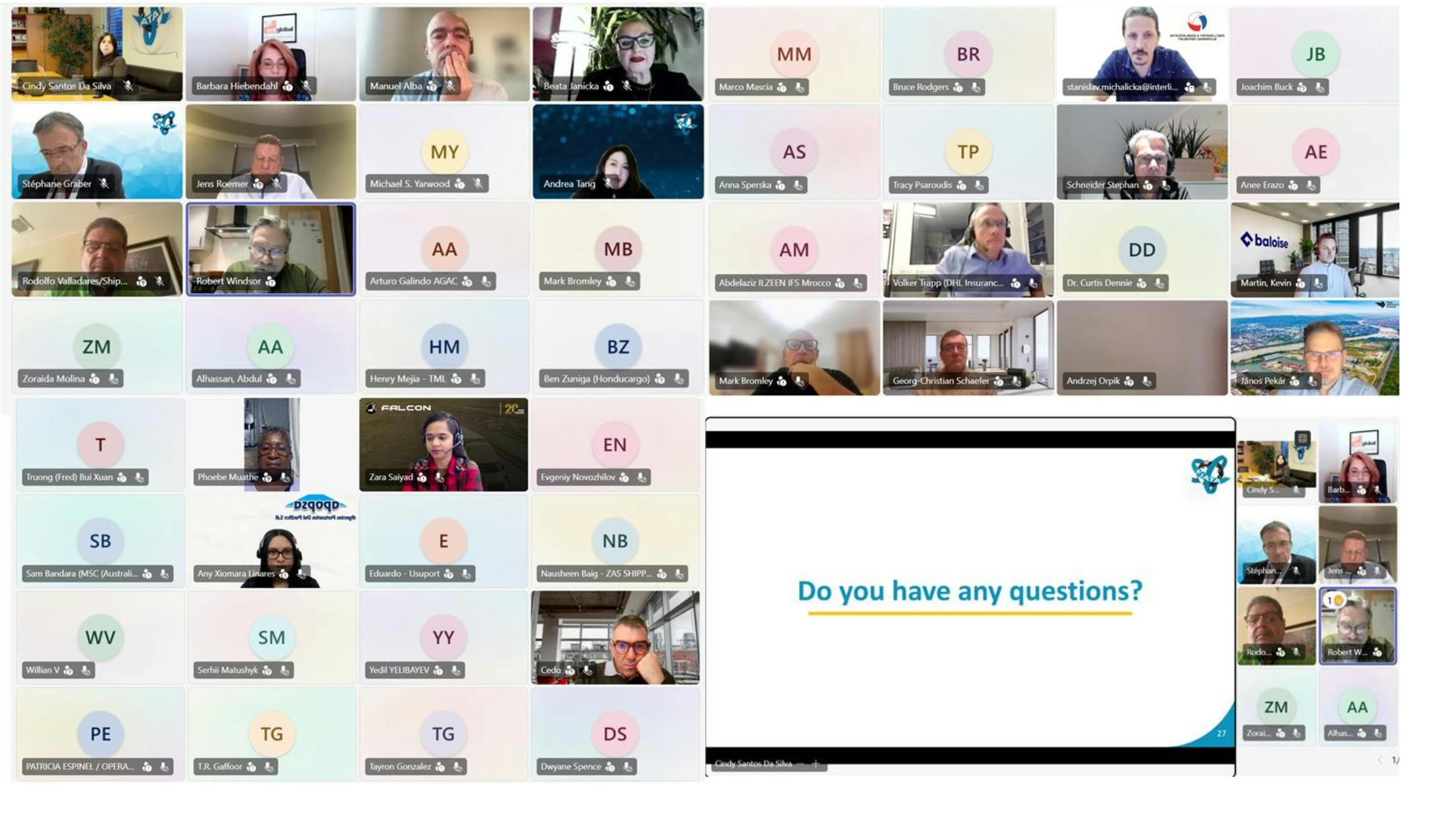
“Managing Risks in Maritime Contracting” webinar.
2026 FIATA HQ Meeting: Register now!
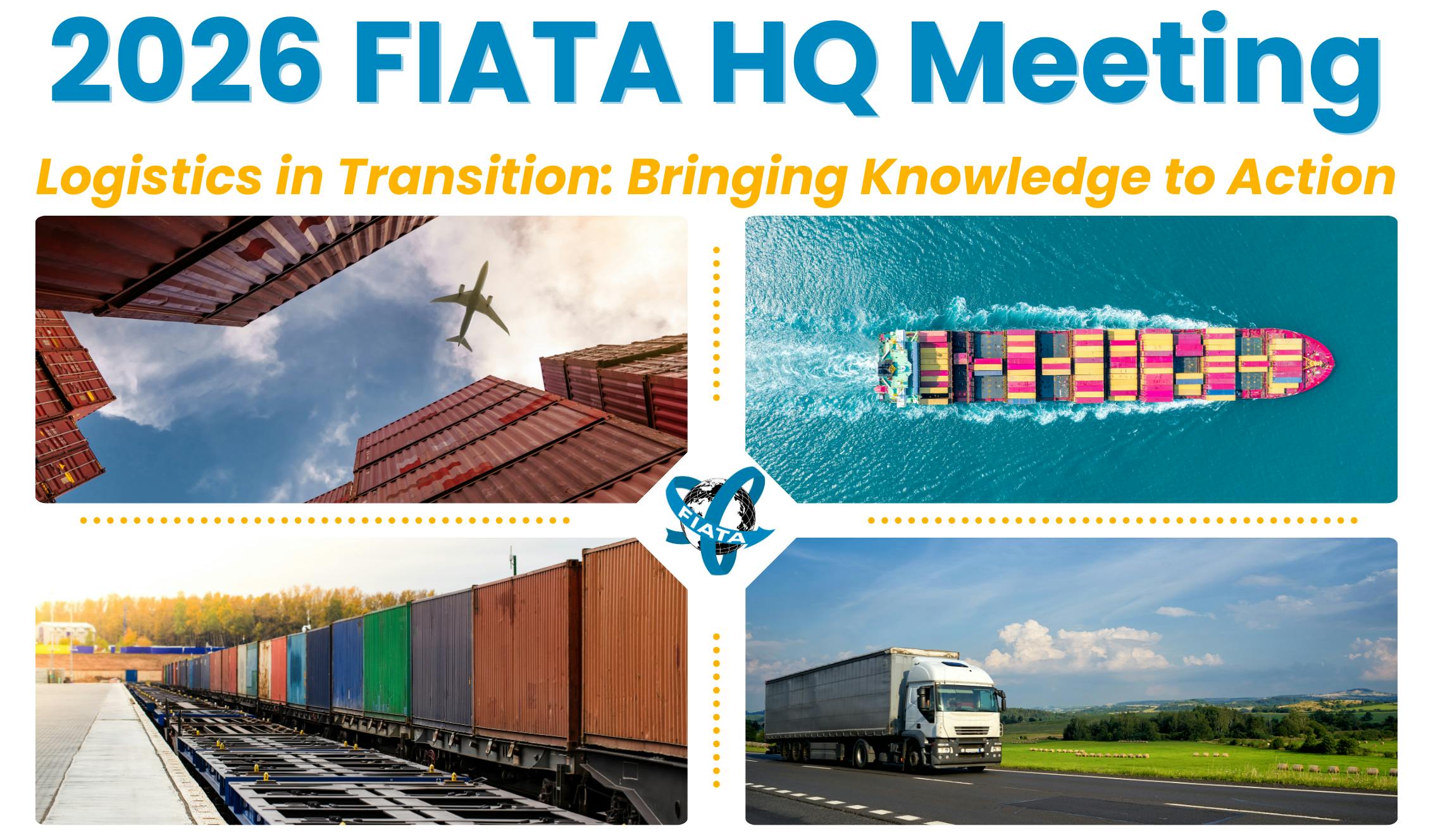
Be part of the 2026 FIATA HQ Meeting in Geneva, 30 March–2 April. Connect with industry leaders, exchange insights, and drive forward the future of global freight forwarding.
Access discounted accommodation here!
Want to visit Geneva? Click here to explore Geneva!
Want to visit Switerland? Click here for tours
Cyber Resilience: Preparing Freight Forwarders for the Inevitable

Cybercrime is becoming more organised, more automated and more accessible. Artificial intelligence is accelerating the trend, making it easier to identify system weaknesses or impersonate trusted contacts. For freight forwarders operating in highly digital, interconnected supply chains, the exposure is real.
Defences alone are no longer enough. The focus is shifting towards cyber resilience: the ability to continue essential operations even when systems are compromised. For logistics companies, that means identifying a small number of critical functions such as booking intake, customs processing, cargo release or payment flows, and ensuring they can continue through alternative solutions if primary systems fail.
Clear responsibilities, mapped dependencies and tested contingency plans are crucial. A disruption can quickly affect contractual obligations, documentation flows and client trust.
The message is straightforward: preparation determines whether a cyberattack paralyses operations or becomes a contained incident. Consult the Cybersecurity Essentials Guide for more information.
Reference: Entreprise Romande, “Survivre à une cyberattaque,” entrepriseromande.ch
Digitalisation: Positioning Your Logistics Brand in the Age of AI

Generative Engine Optimisation (GEO) is emerging as a key technique to ensure companies appear in Artificial Intelligence (AI)-generated answers, not just in traditional search results.
For freight forwarders and logistics providers, relevance online increasingly means being present where clients ask questions first — directly to AI systems like ChatGPT, Google’s AI Overview or Copilot. GEO focuses on helping intelligent engines recognise your expertise by making content clear, properly structured and tied to credible signals such as customer reviews or industry references.
Despite the buzz around GEO, Search Engine Optimisation (SEO) remains a foundation for digital visibility. Clear, up-to-date content, good technical performance and strong external links still matter, and they underpin how generative engines source and synthesise answers.
In practice, forwarders should think about practical prompts that prospective clients might use, then check how AI tools respond. If your company name or services do not come up, that flags a need to enrich website content, business profiles and public information sources so they are more discoverable by both humans and AI.
As the digital landscape shifts, marrying GEO and SEO efforts, focusing on clarity, credibility and structured relevance, will help logistics firms remain visible where decisions are increasingly formed: in AI-generated responses and beyond.
Reference: Entreprise Romande, “5 réflexes à adopter pour être vu à l’ère de l’IA,” entrepriseromande.ch.
Upcoming FIATA Events
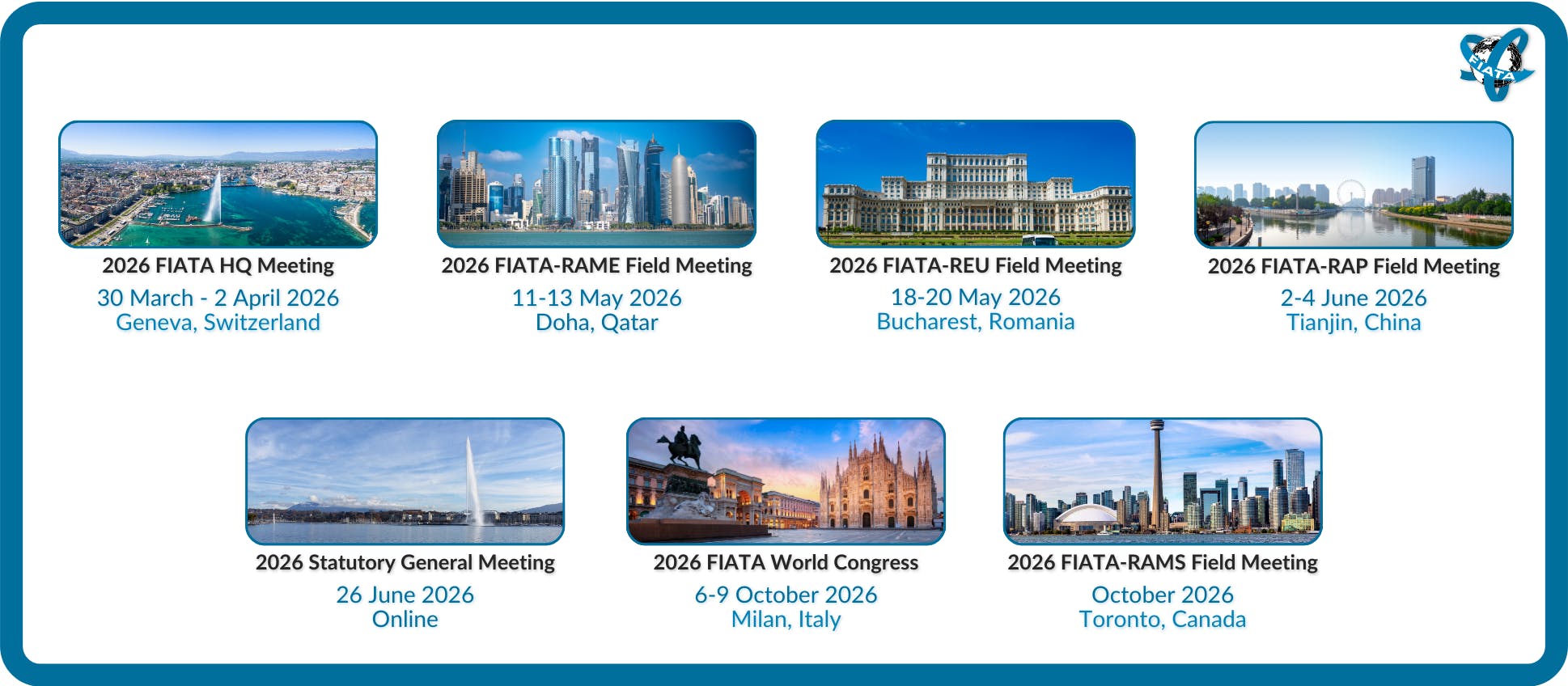
- 2026 FIATA HQ Meeting, Geneva, Switzerland: 30 March - 2 April 2026
- 2026 FIATA-Region Africa and the Middle East Field Meeting, Doha, Qatar: 11-13 May 2026
- 2026 FIATA-Region Europe Field Meeting, Bucharest, Romania: 18-20 May 2026
- 2026 FIATA-Region Asia-Pacific Field Meeting, Tianjin, China: 2-4 June 2026
- 2026 Statutory General Meeting, Online: 26 June 2026
- 2026 FIATA World Congress, Milan, Italy: 6-9 October 2026
- 2026 FIATA-Region Americas Field Meeting, Toronto, Canada: October 2026